



The Yakup Ağa Complex in central Kastamonu is an important Ottoman charitable ensemble that brought worship, education, accommodation and food service together in one place. Locally known as the “Ağa Imareti,” the complex includes a mosque, madrasa, soup kitchen, guesthouse and primary school, giving it a distinctive place in the city’s historical memory.
This article revises the information from our former website using current and reliable sources. It explores the history, architecture and individual buildings of the complex, together with the connection between Yakupağa and Kastamonu’s textile heritage.
What is a külliye?
A külliye is an Ottoman social and architectural complex, usually centred on a mosque and accompanied by buildings serving education, accommodation, food distribution and social welfare. In Ottoman cities, these complexes were far more than religious sites. They brought together madrasa education, hospitality for travellers, meals for people in need and many aspects of neighbourhood life.
The value of the Yakup Ağa Complex lies not only in its stone architecture, but also in the ideas of education, hospitality and sharing that it carried through the centuries.
History of the Yakup Ağa Complex
The core of the complex is a mosque commissioned by Halîmî Çelebi, the tutor of Sultan Selim I. During the reign of Sultan Süleyman the Magnificent, the Ottoman court official Yakup Ağa had the mosque repaired in 1547. He then added a madrasa, soup kitchen, guesthouse and primary school, transforming the group of buildings into a complete külliye.
Some older accounts state that Yakup Ağa built the mosque in its entirety. Inscriptions, endowment deeds and later scholarship, however, present a more detailed picture: an earlier mosque is associated with Halîmî Çelebi, while Yakup Ağa’s contribution is identified with the 1547 restoration and the charitable buildings that expanded the site. This distinction is important for an accurate account of the complex’s history.
The local name “Ağa Imareti” reflects the strong place of the soup kitchen in Kastamonu’s civic memory. Historical accounts describe its meals as being offered without distinction of income or status, keeping its doors open to travellers and people in need.
Who was Yakup Ağa?
Yakup Ağa was a sixteenth-century Ottoman court official who held several positions during his career. Academic studies based on inscriptions, endowment deeds and accounting records show that his titles changed over time and that he rose from Chief Pantry Keeper to Chief White Eunuch, or Bâbüssaâde Ağası. This explains why different sources refer to him by titles such as Chief Treasurer, Head of the Treasury, Chief Pantry Keeper or Chief of the Gate of Felicity.
Yakup Ağa’s lasting contribution to Kastamonu was more than the repair of a single building. The endowment he established created an economic foundation for the mosque, educational buildings and soup kitchen to continue their services. The complex consequently became a living social centre as well as a place of worship.
Buildings within the complex
Yakup Ağa Mosque
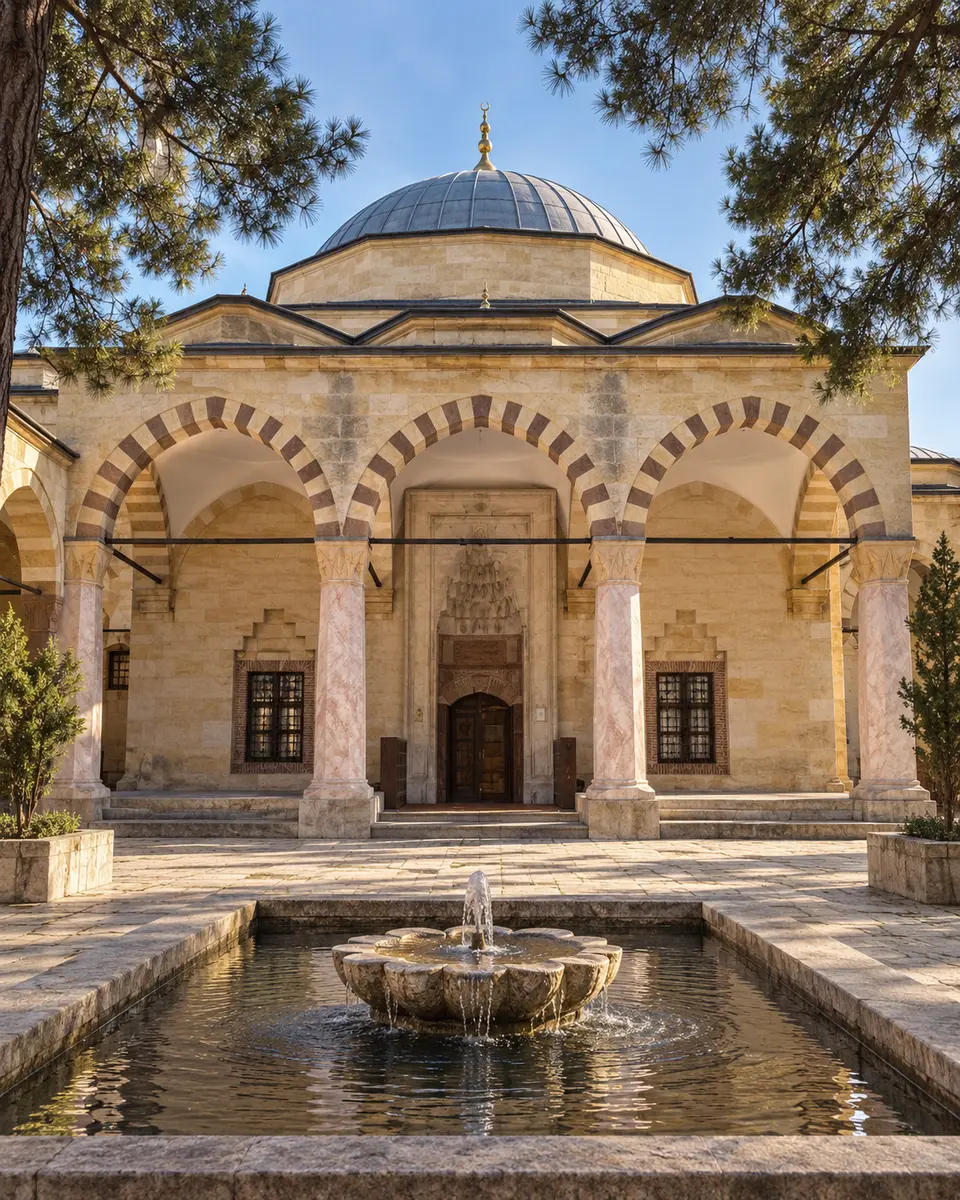
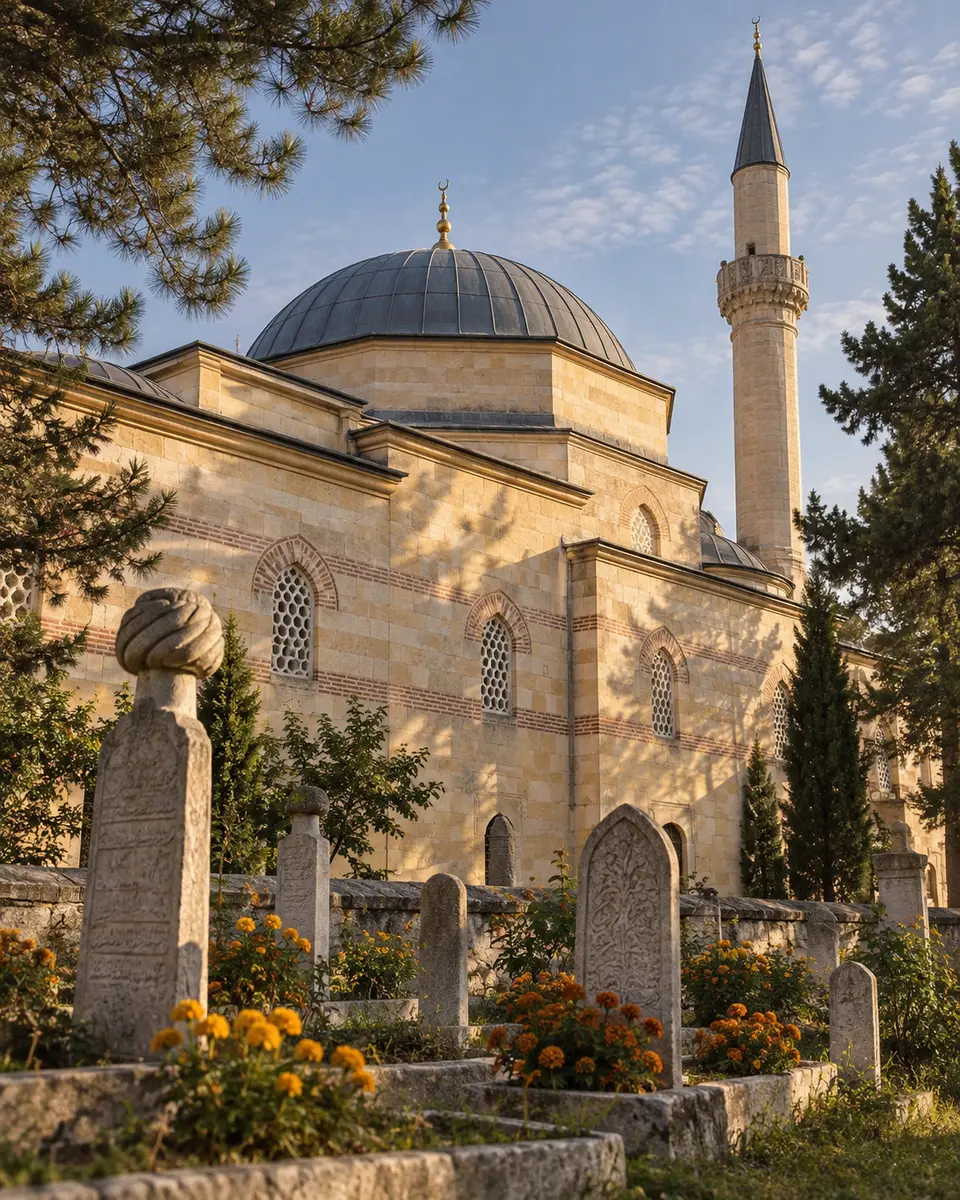
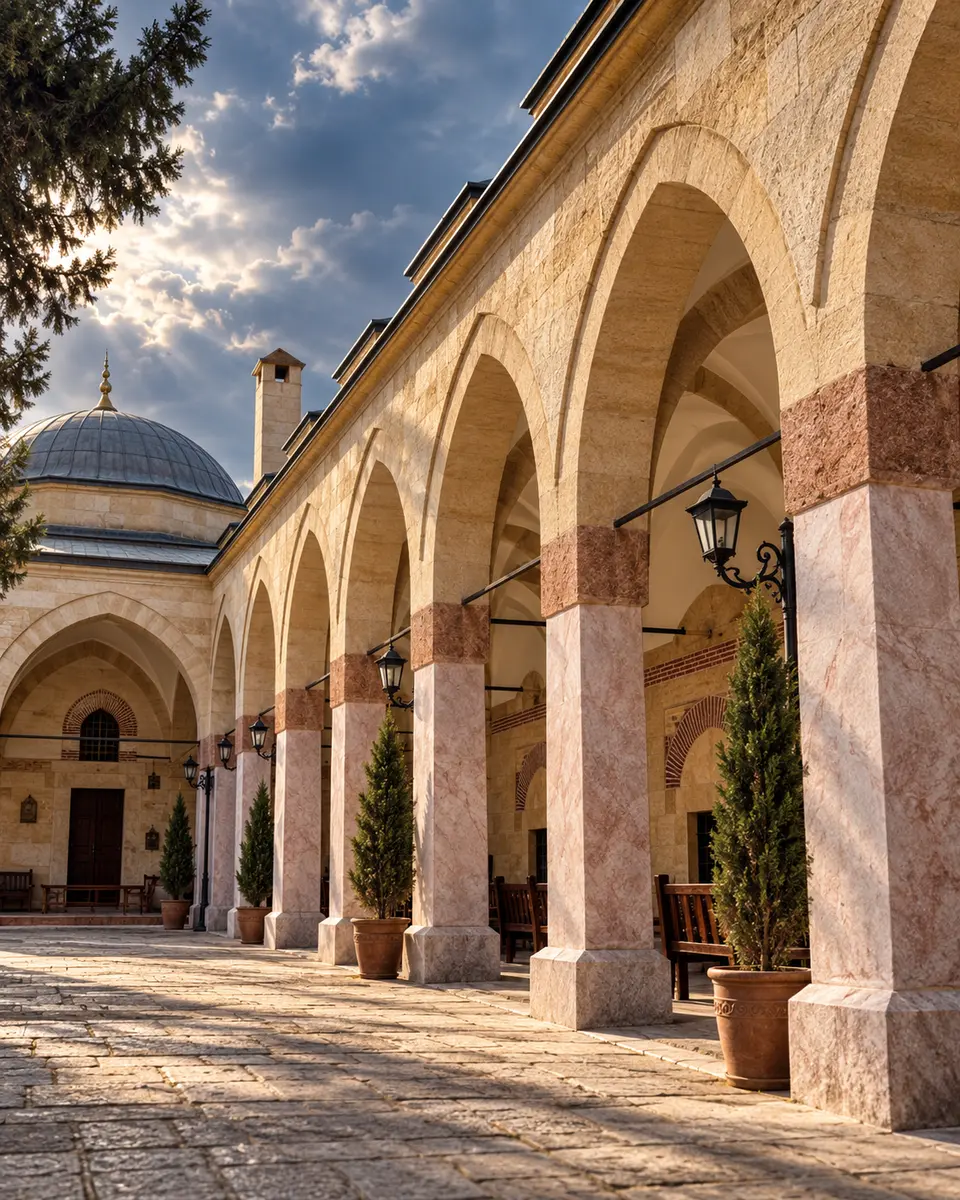
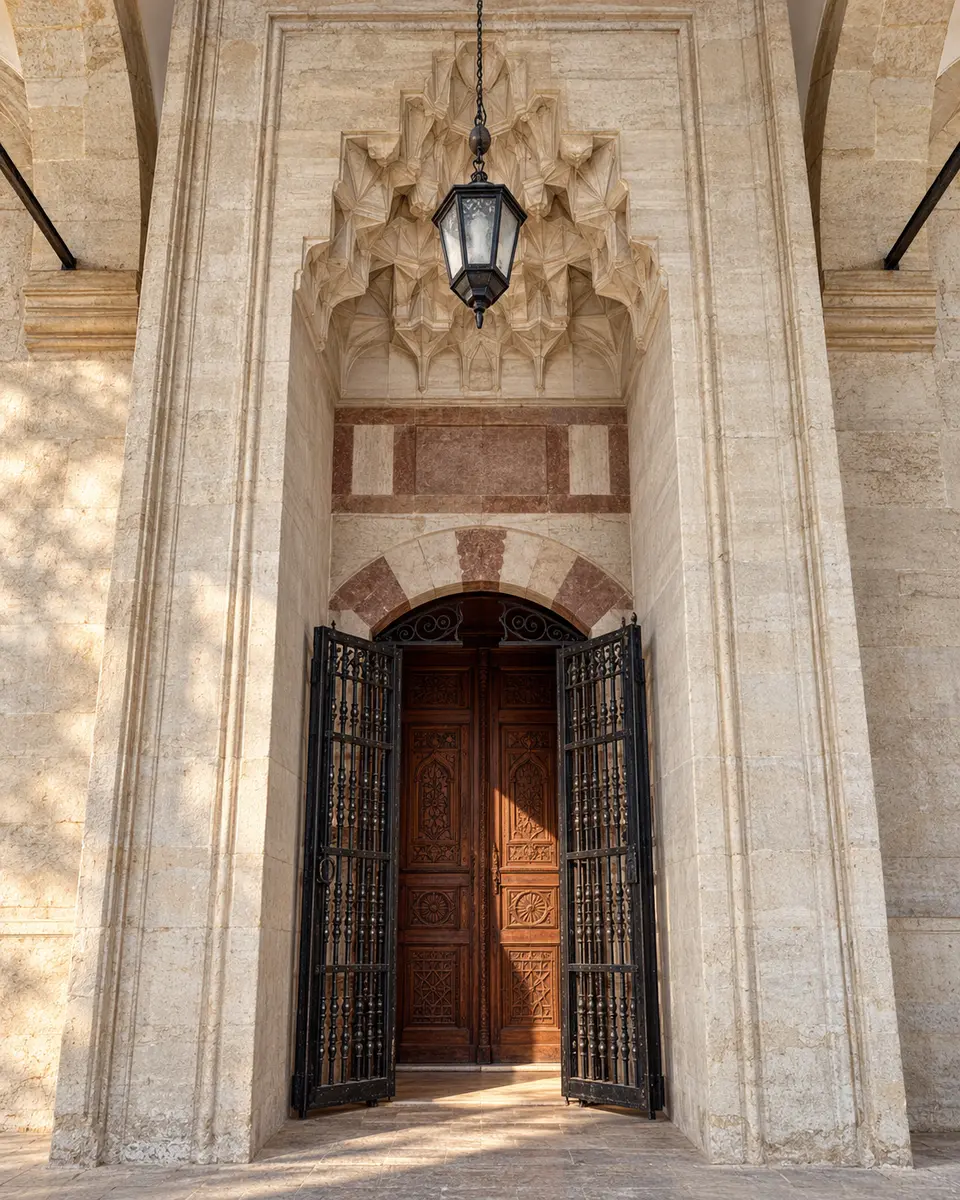
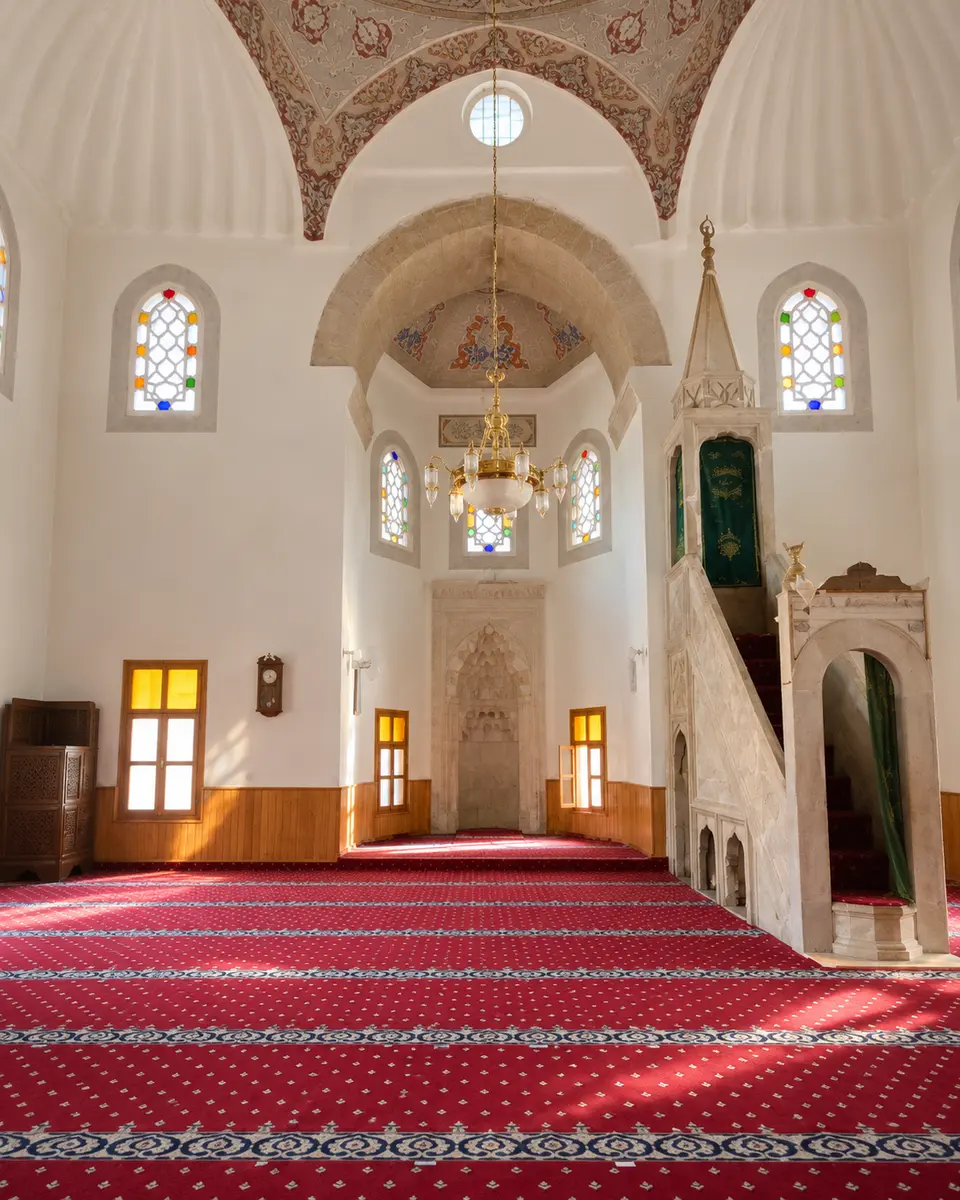
The mosque at the centre of the complex was built of dressed stone and covered with lead-clad domes. Its main square-plan space is crowned by a dome, creating a simple and balanced interior. Columns and arches in the portico establish a clear rhythm on the exterior. The wooden door leaves, distinguished by mother-of-pearl inlay, are among the complex’s most valuable artistic details.
Soup kitchen and guesthouse
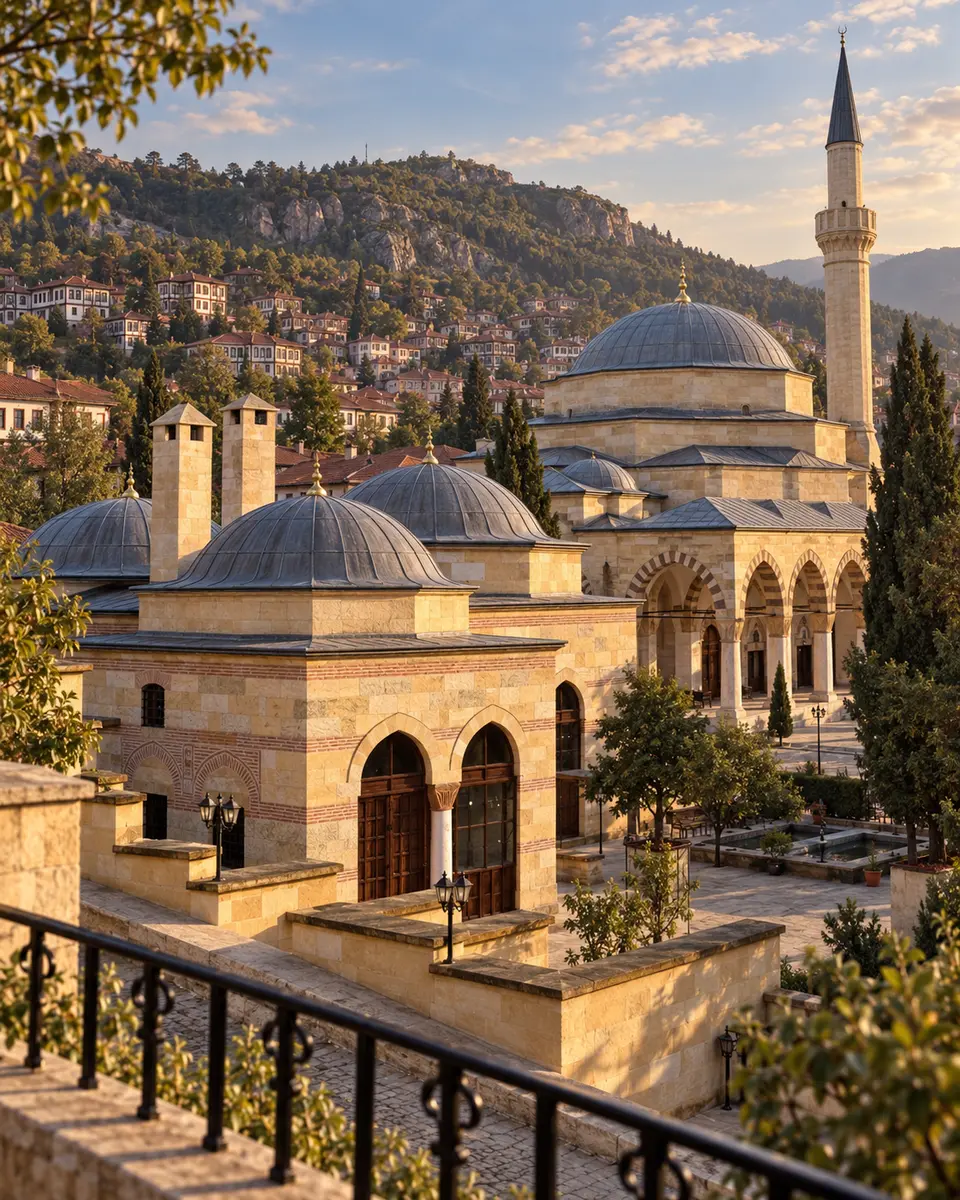
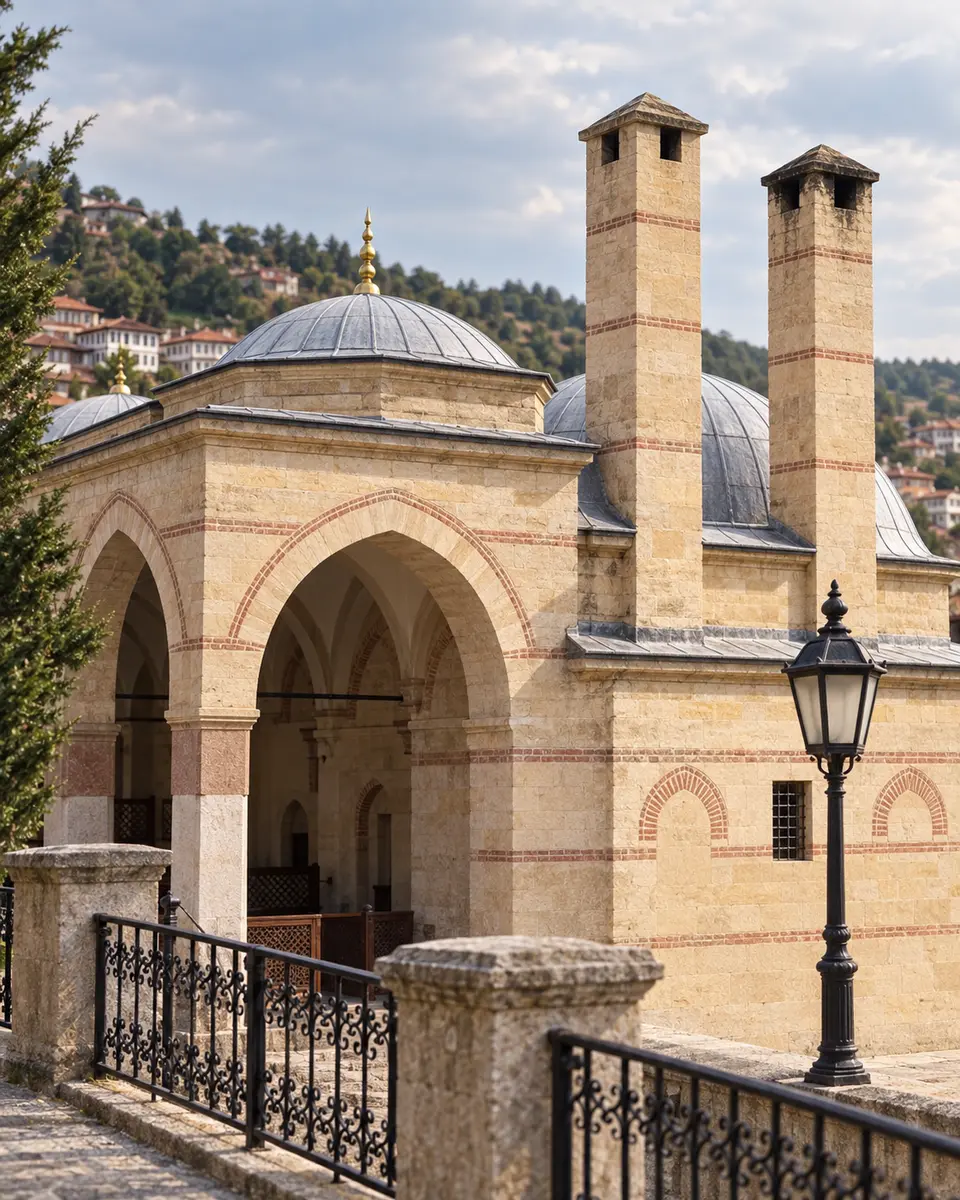
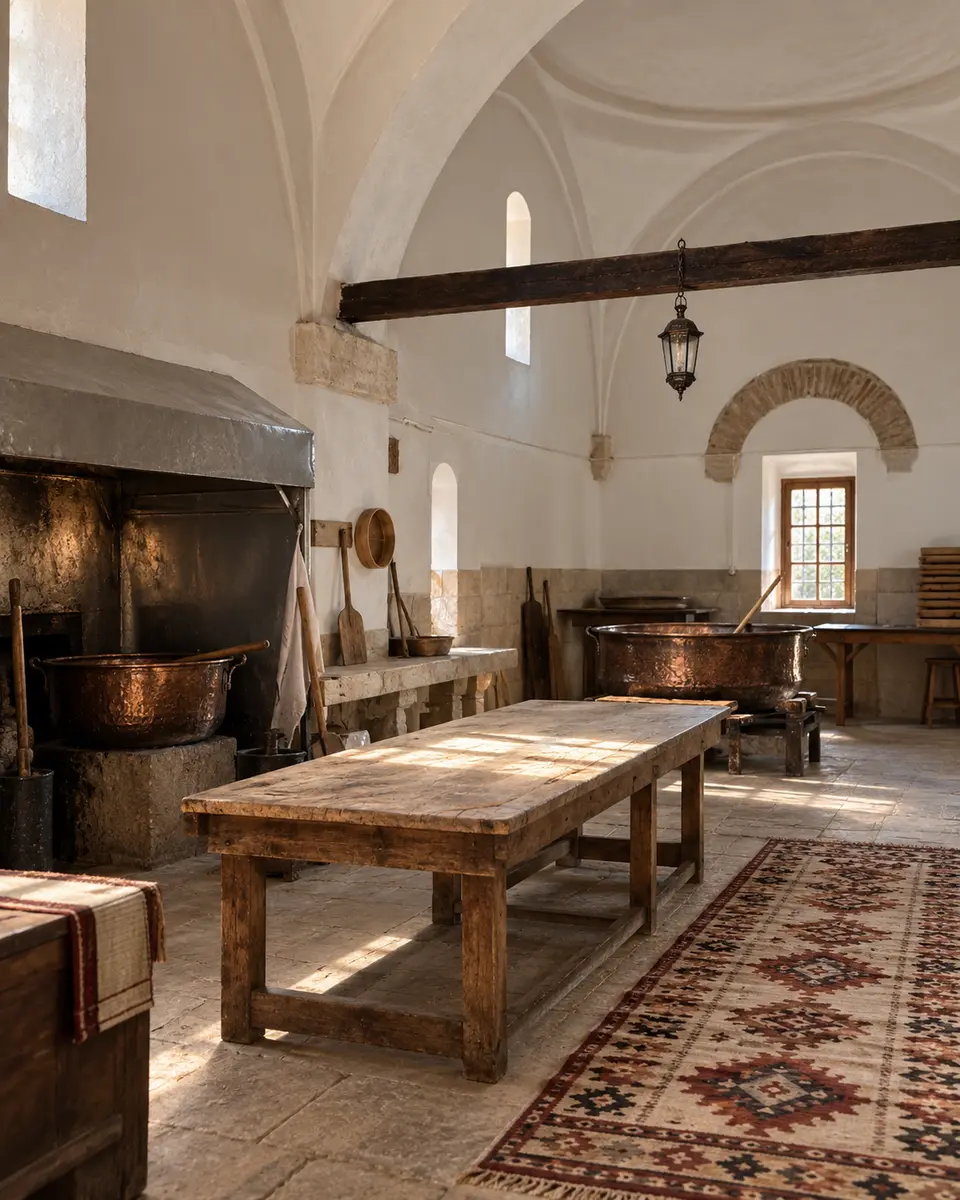
The imaret, or soup kitchen, stands on the northern side of the complex. Five adjoining domed rooms with an arcaded frontage are identified as the guesthouse. This arrangement demonstrates the complex’s social role in serving both the people of Kastamonu and travellers arriving in the city.
Madrasa
The madrasa provided the educational function of the complex. Domed rooms around the entrance and barrel-vaulted spaces in the southern section give it a distinctive plan. The Turkish Ministry of Culture and Tourism notes that the building does not conform entirely to a single standard type found in classical Ottoman madrasas.
Primary school
The sıbyan mektebi was the section where children received elementary literacy and religious education. The Culture Portal records that the building was later used as a sales area for handicrafts. This later use makes the relationship between the historic complex and Kastamonu’s living craft traditions especially visible.
Architectural features
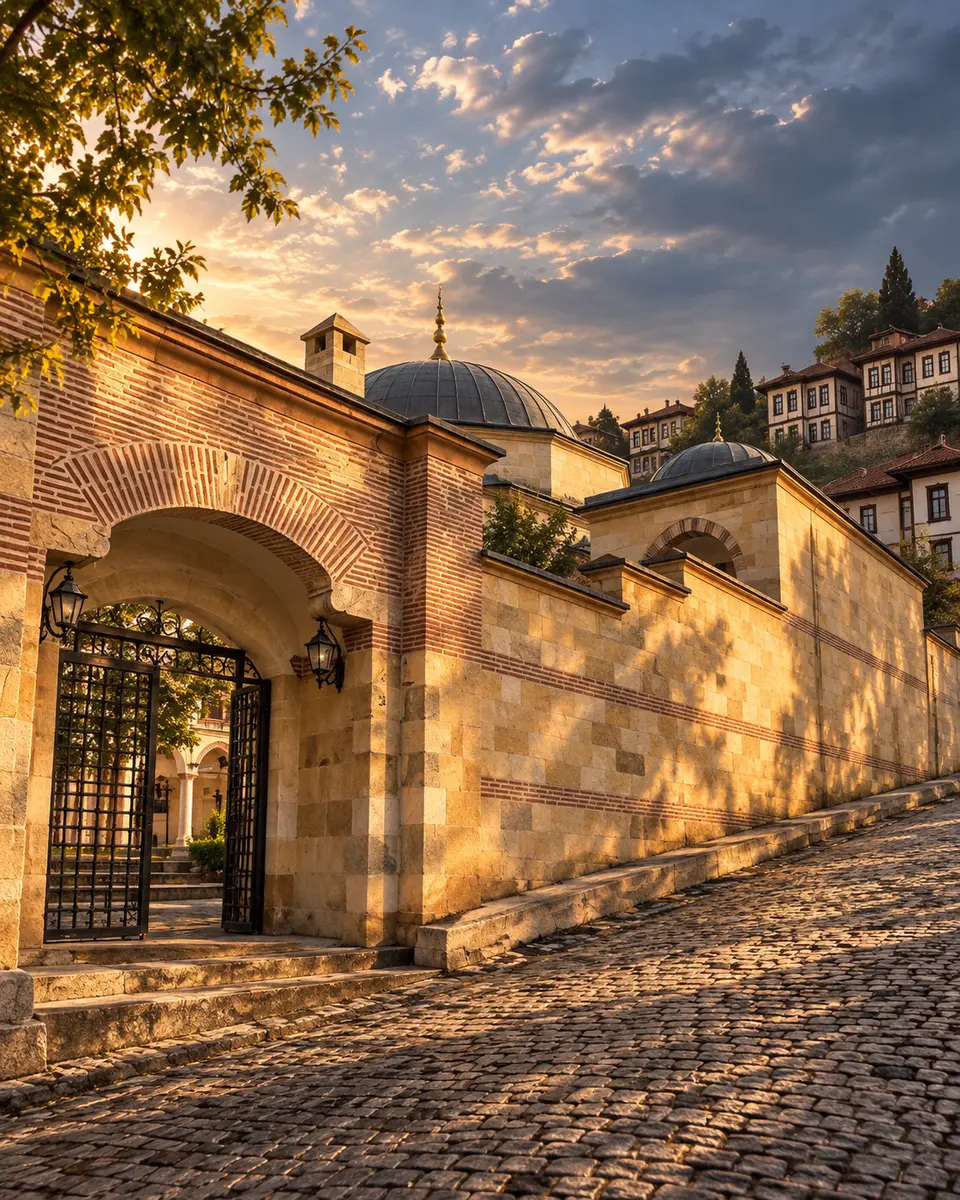
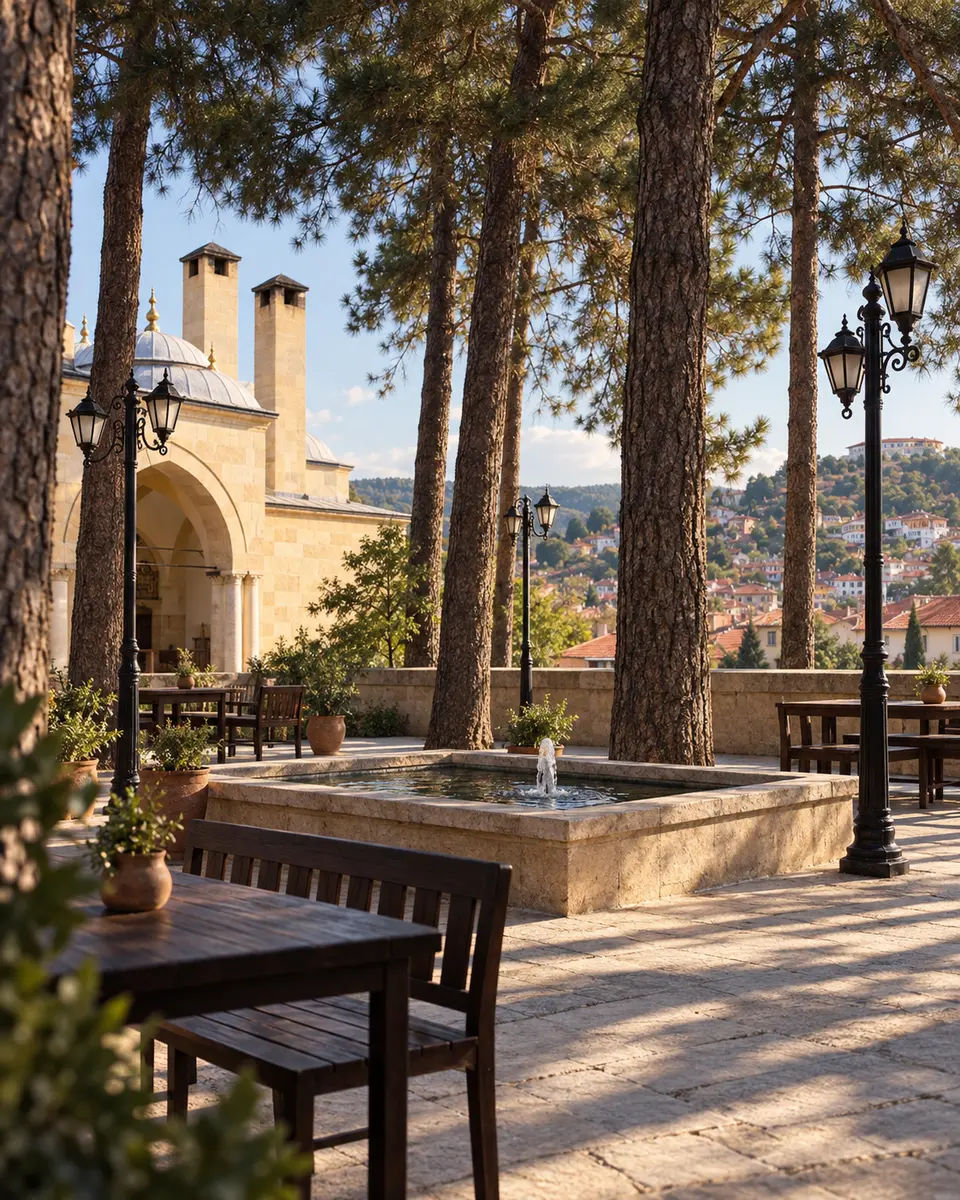
Dressed-stone walls, brick details, pointed arcades and lead-covered domes appear together throughout the Yakup Ağa Complex. The buildings stand close to one another but at different levels, responding naturally to Kastamonu’s sloping urban landscape. Measured proportions, function and the quality of the materials take precedence over monumental display.
Mother-of-pearl work on the mosque’s wooden door, painted interior decoration and the foundation inscription are among its notable art-historical details. Visitors should observe these features from a respectful distance and follow conservation rules so that the historic surfaces can be preserved for future generations.
Yakupağa and Kastamonu’s textile heritage
The Yakupağa name and visual language draw inspiration from Kastamonu’s historic setting and its culture of handmade production. Külliyes once united education, production, solidarity and sharing; that legacy has a meaningful connection with today’s effort to keep local craftsmanship alive.
Every stage of a handwoven kilim, from preparing the yarn to building the motif, requires time, knowledge and patience. Stonework, woodworking and weaving employ different materials, yet they share the same principle: preserving the mark of the human hand and keeping cultural memory present in everyday life.
Discover Kastamonu’s handwoven kilims.
Where is the Yakup Ağa Complex and how can you get there?
The complex is located on Kefeli Yokuşu in the Hepkebirler neighbourhood of central Kastamonu. It can be reached on foot from the city centre. Comfortable footwear is advisable because the surrounding streets are steep and paved with stone.
Open the Yakup Ağa Complex in Google Maps.
Frequently asked questions
When was the Yakup Ağa Complex built?
An earlier mosque formed the core of the site. Yakup Ağa had it repaired in 1547 and added new charitable buildings around it, creating the külliye layout.
Which buildings are included in the complex?
The ensemble includes a mosque, madrasa, soup kitchen, guesthouse and primary school.
Why is it called Ağa Imareti?
The food service provided by the imaret to local people and travellers left a strong mark on the city’s collective memory, and the entire complex consequently became known as Ağa Imareti.
Sources
- Republic of Türkiye Ministry of Culture and Tourism, Culture Portal: Yakupağa Külliyesi
- Alaattin Dolu, “Bâbüssaâde Ağası Yakub Ağa ve Kastamonu’daki Külliyesi,” Vakıflar Dergisi, 56, 2021
Image note: The images in this article are representative works created for Yakupağa using the current photographs in the Yakup Ağa Complex’s Google Maps listing as architectural reference; they are not documentary or archival photographs.

